
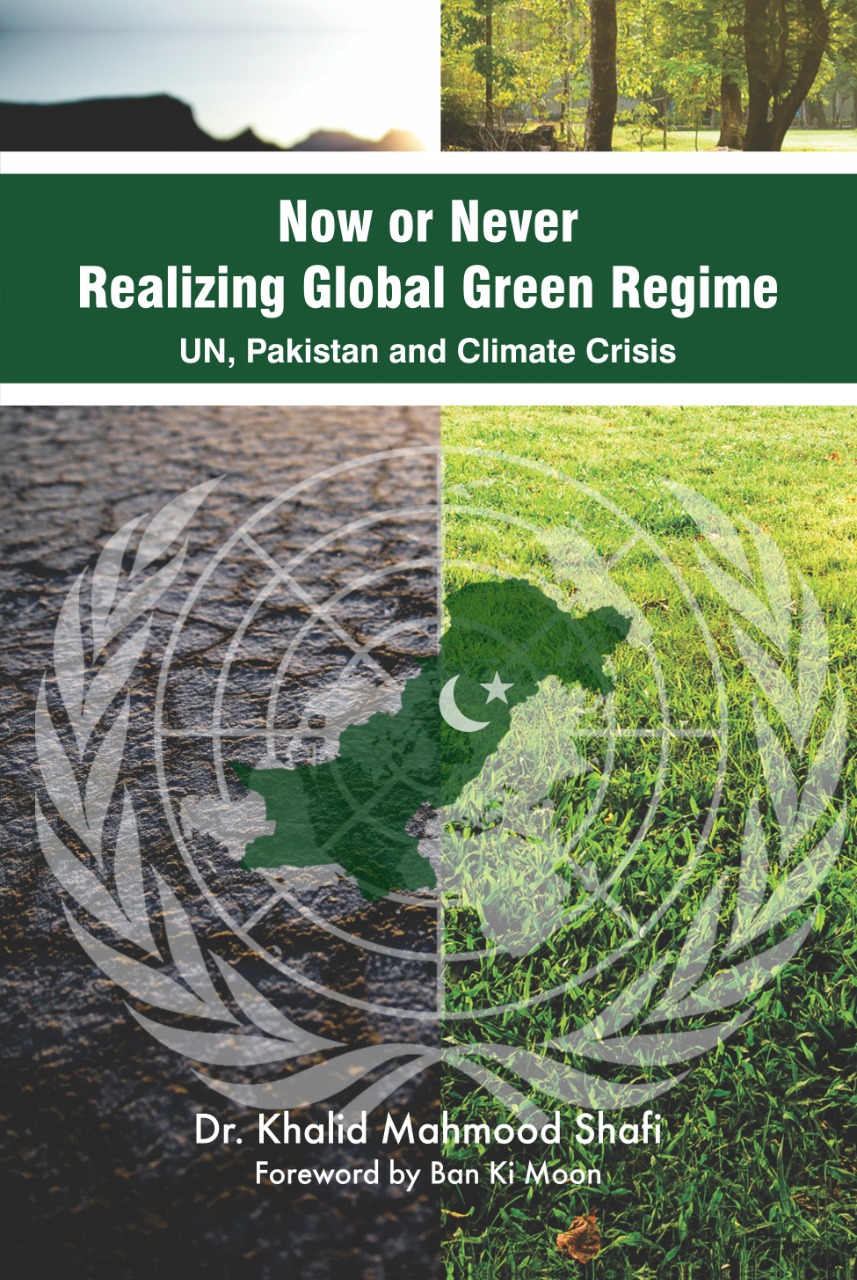
The phenomenon of global climate change is an undeniable reality of the modern world specifically with its impact that dares to define the international security vis-à-vis the increasing vulnerability of the states. This book anchors the Intergovernmental Panel on Climate Change (IPCC) to utilize climate change knowledge. It presents the perspective from Global South and advances the dynamics of climate change’s impact on human security, factoring in state security. Barry Buzan’s theory of securitization best expresses the climate-security relation. It styles the UN peacekeeping mechanism comprised of climate change, climate security, climate securitization, and the UN peacekeepers.
This book proposes that the UN peacekeeping mechanism is more commanded in the conventional context of security determined by mandates such as stabilizing countries after conflict, protecting civilians, disarming, demobilizing, reintegrating, and promoting democracy and human rights. States also pursue their interests which at times conflict with global climate action in the premise of sovereignty. The significance of this book is to highlight the thoughtful role of the UN peacekeeping mechanism in climate action. It will explore and answer the following questions: Does global climate action dissent with state sovereignty? Why should the UN peacekeeping mechanism be counted, and how can it be vitalized to manage climate change for world peace? The specific objective here is to determine the significance of the relationship between climate change and climate change policymaking in view of the UN peacekeeping mechanism.
The book also highlights how the peace characterization of a state is determined by its role in peace construction. Pakistan is a country that is among the top five countries in contributing troops to United Nations Peace Keeping (UNPK) and among the top ten in Climate Risk Index. Pakistan’s peace characterization remains obscure in the eyes of the world due to a lopsided projection, and it has been unfortunately more illustrated in war literature than peace literature. The book aims to bring out Pakistan’s contribution to world peace and predict the sustainability of its peace character. The book would be an addition to the climate change and UNPK literature.